Hybrid mattresses combine the responsive support of innerspring systems with the comfort and pressure relief of foam or latex layers. In this category, hybrid designs are evaluated for durability, temperature regulation, motion isolation, and overall support alignment. Understanding these features helps students and consumers compare performance across models like the Naturepedic Azure Hybrid Organic Mattress and similar constructs.
Key characteristics of hybrid mattresses include a coil-based core for lift and durability, plus cushioned comfort layers that adapt to body shape. The result is a balance of buoyant support and contouring pressure relief, suitable for individuals with varying sleep positions. Materials such as organic cotton and breathable foams may enhance comfort and air flow.
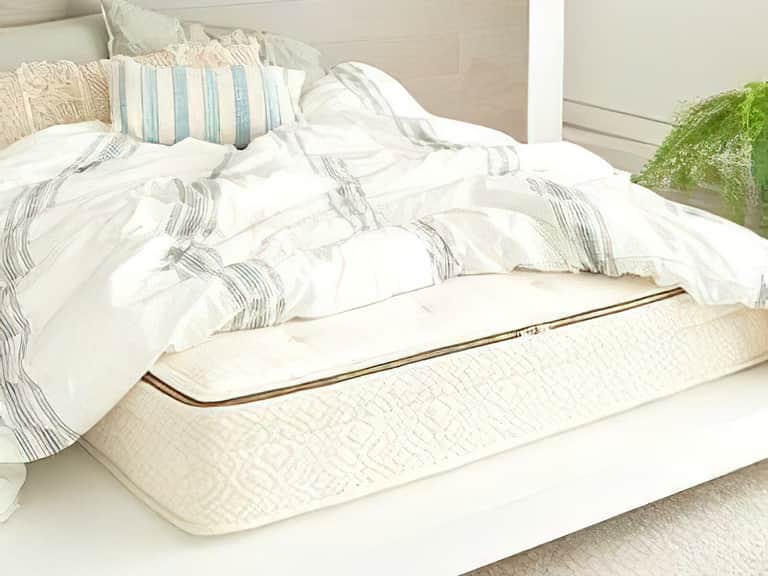
The Naturepedic Azure Hybrid Organic Mattress exemplifies several important benefits: an organic design prioritizes breathable, non-toxic materials; a supportive coil system provides spinal alignment; and a plush top layer offers cushioning without sacrificing edge support. Such products aim to minimize heat retention while maintaining durability through mixed-material construction.
When evaluating hybrid models, consider firmness options, coil gauge, and layering philosophy. A well-constructed hybrid often features zoned coils for targeted support, moisture-wicking fabrics for temperature management, and low-motion transfer so partners can sleep undisturbed. These factors influence long-term usability and comfort across diverse body types.
In the context of sustainable sleep, hybrids like the Naturepedic Azure Hybrid Organic Mattress emphasize organic components, formaldehyde-free finishes, and responsible manufacturing. For sleepers seeking a durable, medium-to-full support profile, hybrids offer a versatile option that aligns with wellness priorities and sleep hygiene standards within the broader mattresses category.
 Mattresses