Choosing the Right Mattress for North Dakota Homes: Climate, Sleep Needs, and Budget
A Time-style exploration into how North Dakota’s climate, room layouts, and budget realities shape mattress choices. From the cold, dry winters to energy-conscious heating days, ND sleepers deserve a surface that breathes, supports, and ages gracefully alongside the home they inhabit.
North Dakota: A sleep climate like no other
North Dakota presents a distinctive sleep environment. The state’s winter months are characterized by low humidity, extended cold snaps, and a need for efficient heating without compromising air quality. Summers can be warm yet relatively dry, creating shifting demands on mattress performance, ventilation, and moisture management. A mattress is not merely a surface for rest; it is a system that interacts with room temperature, bedding, foundation, and the sleeper’s body heat.
To frame a practical decision, consider three core factors that influence ND mattress performance: climate-driven temperature regulation, room layout and spacing (including the bed’s proximity to heating vents and windows), and energy usage patterns that intersect with how often a room heats and cools overnight. The right mattress should harmonize warmth retention with breathable performance, while aligning with a household budget and long-term durability expectations.
Material families: how they perform in ND conditions
Understanding mattress materials helps predict how a bed will feel across the ND year. Three broad categories dominate the market: memory foam, latex, and innerspring. Each offers a distinct balance of temperature regulation, support, and durability. North Dakota households often value a surface that minimizes night sweats during heated periods while preserving core warmth in deep winter nights.
- Memory foam: Known for contouring support and excellent pressure relief. Modern formulations can be engineered to be more temperature-neutral, but memory foam can retain heat in small or poorly ventilated bedrooms. For ND homes, look for gel-infused or open-cell foams, plus breathable covers. A cooler top layer can help combat warmth in shoulder seasons.
- Latex: Naturally breathable and resilient. Latex tends to sleep cooler than dense memory foam and resists body impressions over time. For ND climates, a latex or latex-blend core paired with a breathable cover and appropriate height offers robust durability and climate-adaptive comfort.
- Innerspring (hybrid options included): Traditional coil support with comfort foams or latex layering. Hybrids can balance bounce, support, and airflow—an attractive combination for ND homes where a cooler sleeping surface is desirable while still delivering contour and support for diverse sleepers.
Across these materials, consider the bed’s edge support, motion isolation (particularly for shared sleepers), and the ability to maintain loft through the night. In ND households, where winter heating and dry air can influence skin and nasal passages, a breathable top layer and moisture management become essential.
Firmness, support, and sleeper type: tailoring to North Dakota families
Firmness is highly subjective, but choosing the right level involves aligning your body weight, sleeping position, and any health considerations with the mattress’s build. In ND, a stable, supportive surface helps maintain spinal alignment during long winters when burrowed under layers of clothing and blankets. The goal is a mattress that cushions pressure without excessive sink, preserving nighttime posture and reducing waking stiffness.
Back sleepers: Often benefit from medium-firm to medium surfaces that promote spinal alignment. A supportive core (coils or high-density foam) with a balanced comfort layer helps maintain lumbar support as you move and shift during the night.
Side sleepers: Typically require more pressure relief at the shoulders and hips. A softer comfort layer beneath a supportive core can mitigate pressure points, while still delivering consistent support for the spine.
Stomach sleepers: Often need a firmer feel to prevent the hips from sagging and to keep the spine aligned. A firmer top layer with a robust underlying support system can help prevent premature sagging and discomfort.
Children and teens often require a balance of support, durability, and motion isolation to accommodate growing bodies and shared rooms. For ND households, where families may share rooms in compact spaces, a surface that resists motion transfer and maintains consistent feel through family use is valuable.
Space, layout, and foundation: the practical setup
A mattress’s performance is never isolated from its environment. The base or foundation underneath, the bed frame, and even the room’s layout shape how a mattress feels. In ND homes, many foundations are designed for durability and stability in cooler climates, ensuring that sprung or foam cores maintain alignment as the room temperature shifts between seasons.
Practical considerations include:
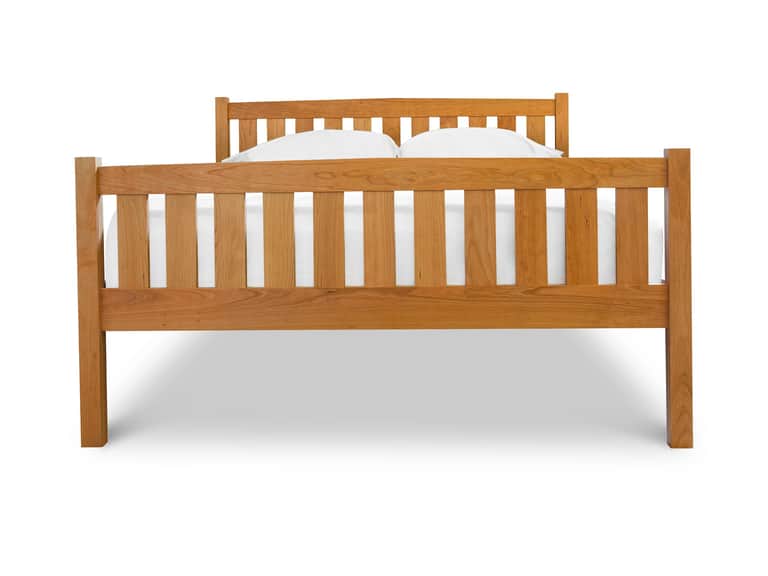
- Foundation compatibility: Ensure your bed frame and foundation are appropriate for the mattress type (e.g., no-need-to-use excessive slats for heavy hybrid mattresses).
- Ventilation: A well-ventilated bedroom helps regulate moisture and temperature, preserving mattress loft and reducing the risk of mold or mildew in damp environments.
- Humidity and warmth management: In winter, radiant heat from nearby vents should be considered to prevent localized warmth that could lead to uneven sleeping temperatures.
A thoughtful room layout—avoiding trap points near drafts or direct heat—helps sustain a comfortable microclimate. In North Dakota, where space may be shared across generations or adapted for multi-use rooms, an adaptable mattress with robust durability and simple maintenance proves particularly valuable.
Budget tiers: what you get at each price level
Budget is a foundational criterion for most ND homes. The good news is that you can secure a comfortable, durable mattress across price tiers, with different compromises or enhancements. A practical three-tier framework helps families plan and compare:
- Entry-level (roughly under $1,000): Prioritize value, core support, and durable materials. Look for mattresses with a proven track record for long-term comfort, stable edge support, and reliable warranty. Foam and some hybrid options can deliver good performance at this price point.
- Mid-range ($1,000–$2,500): Expect better temperature regulation, improved support layers, and longer warranties. Hybrid models and premium foams with gel or breathable covers become more common, offering a balance of comfort and durability along with enhanced cooling features.
- Premium ($2,500+): A focus on luxury materials, advanced cooling technologies, and customization. Premium options can include organic or natural materials, enhanced edge support, individualized firmness tuning, and extended warranties, delivering a sleep environment designed to last.
In ND contexts, budget-conscious buyers can leverage seasonal sales and local retailers offering trial periods, which reduce the risk of a long-term mismatch. For those seeking premium organic materials, a careful assessment of certifications and material sourcing helps ensure that the mattress aligns with health and environmental goals while remaining financially viable.
A practical quick-start framework for ND homebuyers
If you’re moving into a North Dakota home or renovating a bedroom, use this concise checklist to begin the process:
- Measure your space and confirm bed dimensions against room layout. Consider the bed’s distance from windows and vents to minimize drafts and direct heat exposure.
- Determine foundation compatibility with your chosen mattress type and local climate considerations (moisture and temperature variation).
- Assess the sleeper profile: weight range, sleeping position, and any health considerations. Translate these into a firmness target and support needs.
- Set a budget range and identify non-negotiables (e.g., organic materials, hypoallergenic cover) to guide material selection.
- Take advantage of trial periods and warranties. In ND markets, many retailers offer generous return policies that reduce price risk for first-time buyers.
As you refine your choice, remember that the mattress is part of a larger sleep ecosystem: the pillows, the sheets, the ambiance of the room, and even the ambient humidity and air quality. A balanced sleep environment yields the most meaningful improvement in rest and daily vitality.
A featured product: Naturepedic Azure Hybrid Organic Mattress
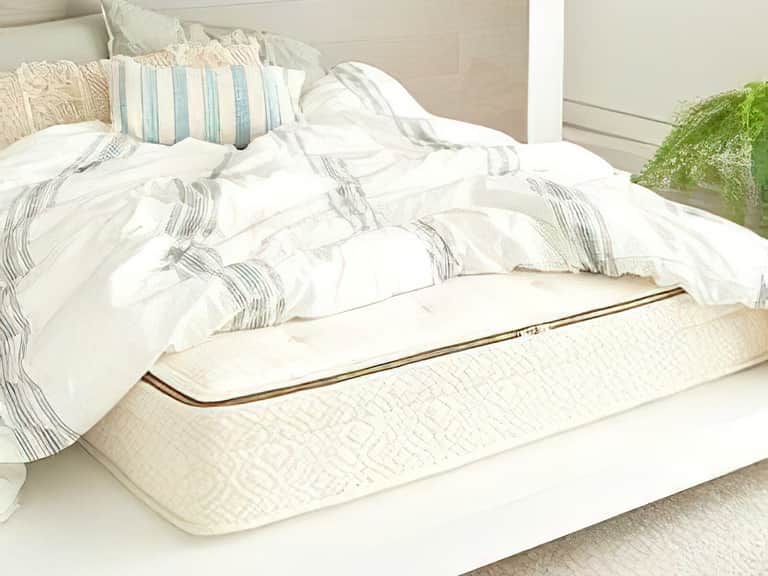
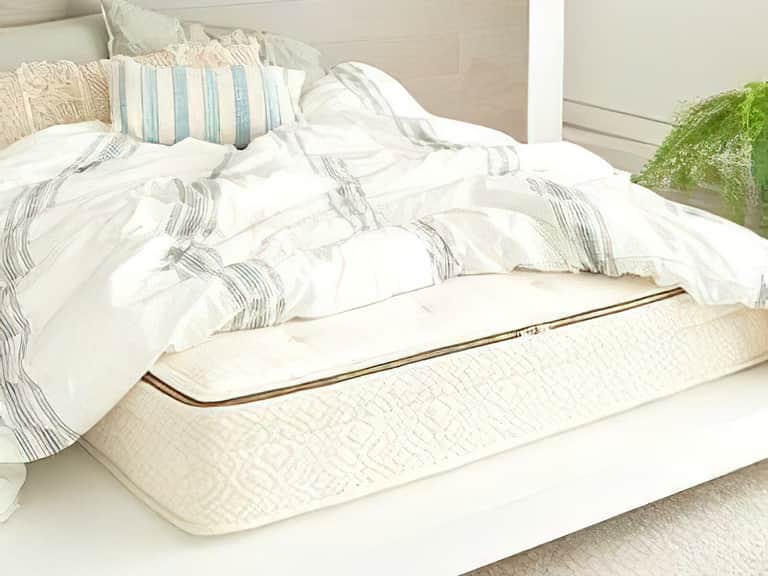
In a landscape of surfaces that promise comfortable nights with careful craftsmanship, the Naturepedic Azure Hybrid Organic Mattress stands out as a premium option that aligns with a climate-aware, non-toxic sleep philosophy. Part of the Halcyon collection, the Azure model blends organic materials with modern support, delivering a customizable experience that can adapt to changing needs over time.
Naturepedic Azure Hybrid Organic Mattress
Price: $4,699.00
Overview: A luxury, customizable surface featuring 6" wrapped coils combined with 3" organic Dunlop latex, integrated with a wool-alpaca-cashmere blend for temperature regulation. GOTS-certified organic materials and a dual-firmness design cater to diverse sleepers.
Highlights: Adjustable firmness, natural temperature regulation, non-toxic construction, long-lasting support.
The Azure mattress illustrates how a premium surface can harmonize climate considerations with a durable, health-conscious build. For ND households looking to invest in a long-term sleep foundation, this option demonstrates how organic materials can meet both comfort and sustainability goals, albeit at a premium price point. Note that such a product embodies the premium tier’s emphasis on customization and material purity, which can be appealing for families prioritizing non-toxicity and environmental stewardship.
Three influential voices on sleep, spanning time periods
Across eras, thoughtful thinkers and practitioners have shaped how we understand sleep quality and the bed as a sanctuary. Here are three key figures, each from a distinct time period, whose ideas echo in today’s mattress discussions and consumer decisions:
1) Hippocrates of Kos (c. 460–370 BCE) — The bed as a rational starting point for health
Hippocrates, often hailed as the father of medicine, championed a pragmatic approach to health that began with daily routines, rest, and balance. While centuries separate his era from modern memory foam, his insistence on aligning lifestyle choices with bodily well-being resonates in today’s emphasis on sleep hygiene, room environment, and the quality of rest. In the ND context, his legacy reminds us that a well-designed sleep space—quiet, dark, and temperate—supports healing and daily performance.
2) Florence Nightingale (1820–1910) — Environment as therapy
Nightingale, a pioneer in hospital design and sanitary reform, argued that environment shapes health outcomes. Her focus on cleanliness, ventilation, and light foreshadowed current considerations of microclimate in bedrooms, moisture control, and air quality—crucial factors when choosing a mattress and bedding to sustain comfortable, restorative sleep across ND’s dry winters and variable humidity.
3) Charles A. Yuki (1937–2015) — The science of sleep and daily performance
In more contemporary times, sleep science scholars and clinicians have highlighted circadian biology, sleep duration, and environmental factors that influence sleep quality. Modern ND readers benefit from a line of inquiry that connects bed selection to wakefulness, mood, and health outcomes—illustrating how the mattress you choose can support, rather than undermine, daily functioning through seasonal and climate shifts.
Together, these voices remind us that the bed is a focal point of health, design, and daily life. The mattress market today embodies a synthesis: a scientifically informed, ethically built product tailored to climate realities and personal needs. In North Dakota, the decision is not merely about comfort; it is about creating a space that stabilizes health, energy use, and family routines across the calendar year.
Closing thoughts: a North Dakota approach to mattresses
North Dakota households deserve sleep solutions that respect climate realities, budget realities, and the desire for lasting comfort. By considering material performance, sleeper type, room layout, and budget, families can find surfaces that endure through cold winters, dry springs, and the busy rhythms of daily life. The right mattress is more than a purchase; it is a commitment to a healthier, more resilient home environment.
As you embark on this journey, remember that a thoughtful approach to bedding—where the mattress is only one part of a holistic sleep ecosystem—can yield better rest, improved daytime function, and a home that feels consistently comfortable, season after season. In the North Dakota sleep story, the mattress is a protagonist that grows with you, matching your needs to climate, life stage, and budget with grace.